
 2025-03-10
 PODCAST
 share
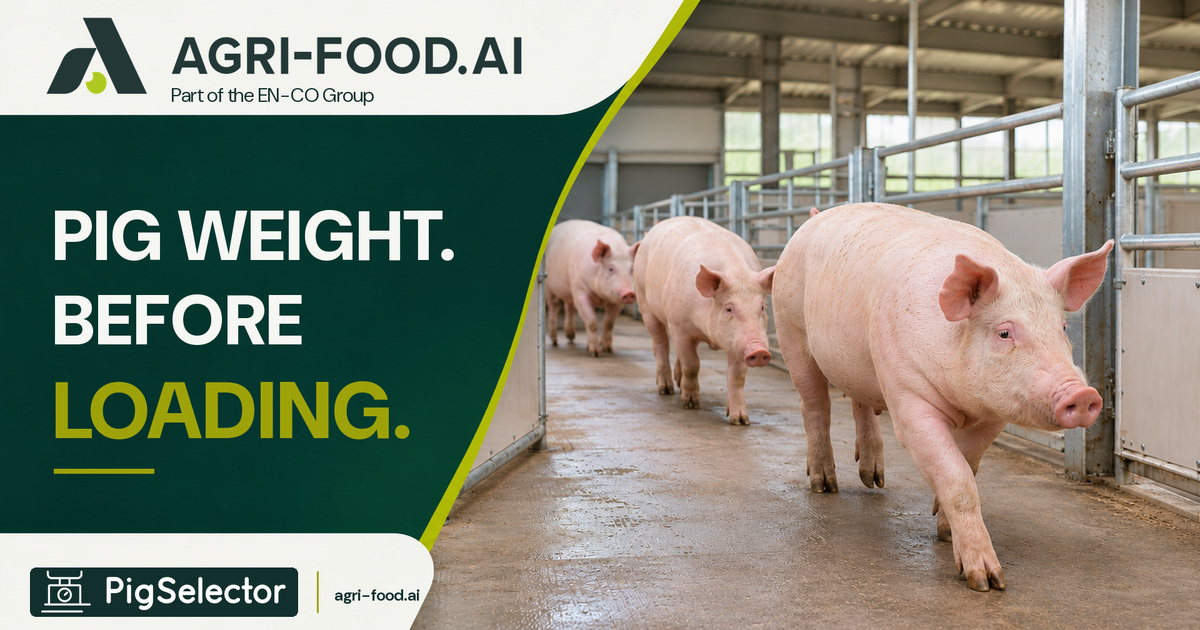
How pig weight estimation supports selection
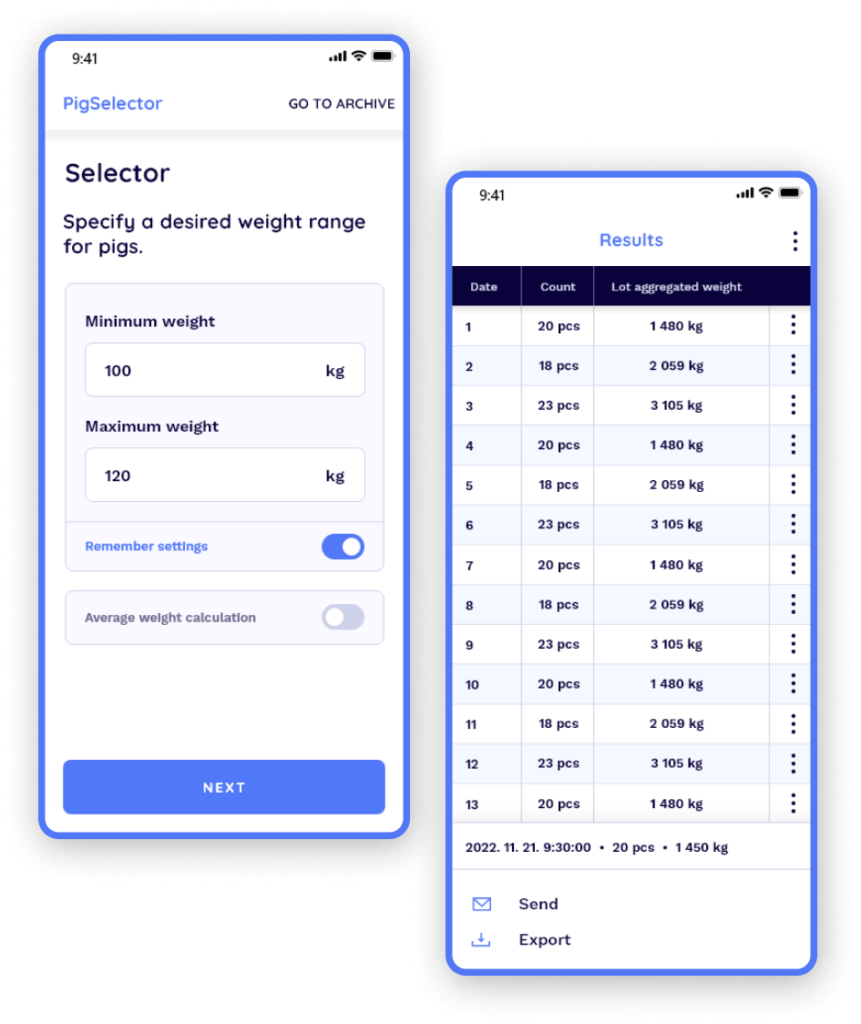
Start with the weight range agreed with your processing partner. Confirm what the limits refer to, including whether you are discussing live weight or carcass weight. A camera estimate of live weight needs a comparable target. The published PigSelector interface illustration shows minimum and maximum weight fields.
Give the camera a clear view
The camera needs a clear view of the pig as it passes the selection point. Gates, people and overlapping bodies can hide its outline. Before installation, show the team the corridor width, mounting options and normal animal flow. Agree the camera, video connection and network requirements for your pig weight estimation setup.
Chen et al.’s 2025 RGB-image study included camera height as a model input and illustrated image problems caused by posture, viewing angle and movement blur. The practical lesson is to check the view with pigs moving through the actual passage, including where they bunch together or turn.
Also check the view at the times of day you normally load. An empty corridor can look very different once people and animals are moving through it. Keep the lens clean and recheck any obstruction before the session.
Watch the original PigSelector demonstration to see moving pigs, on-screen weight estimates and a running total.
Check pig weight estimation against a scale
Camera-based weighing research shows why a physical comparison matters. Bi et al.’s 2025 commercial-farm study paired depth videos from more than 600 pigs with scale weights at six time points. For a local demonstration, ask which pigs the team weighed, when they took both readings and how they matched each pair.
In the separate RGB-image study, Chen and colleagues reported a mean absolute error of 3.94 kg on their test set. This describes the average absolute difference, rather than a maximum error for every pig. Those results belong to their research model. PigSelector performance needs its own comparison in your corridor.
- Record a camera estimate and a checked scale weight for the same pig at comparable times.
- Include pigs near the selection limits, where a difference could change the loading decision.
- Review individual differences as well as the average, and investigate repeated mismatches.
Use the comparison to agree a practical recheck rule. If a pig is close to the limit, your team should know when to request physical weighing before sending it forward. Repeat the check after a material change in camera position, lighting or animal flow.
Report both the size of the differences and whether the estimate tends to run high or low. This helps the team spot a consistent bias and decide what to inspect before the next load.
Prepare the team for the next load
Agree who watches the display, who redirects pigs and how to hold animals back safely. Discuss the selection point and any sorting equipment as part of the proposed installation. Record staff time during a trial if labour savings are part of your business case. Keep a short record of the target range and the checks agreed for that load.
The weight decision and the transfer headcount answer different questions. Our guide to automated animal counting during loading explains how to review the final number when animals pause or turn back.
Before the next truck arrives, send AGRI-FOOD.AI photos of your corridor, its dimensions and a short clip of normal movement. These give us a concrete starting point for discussing pig weight estimation and a demonstration that fits your loading process.

Could pig weight estimation support selection in your corridor?
2025-03-10


 Our website uses cookies