
 2024-09-06
 PODCAST
 share
A farm worker checks a pheromone trap at the edge of an orchard. Several insects have appeared since the last visit. Which species are they, and does the crop need attention? Crop pest monitoring with AI can help the team review images, record catches and flag changes for an agronomist to investigate.
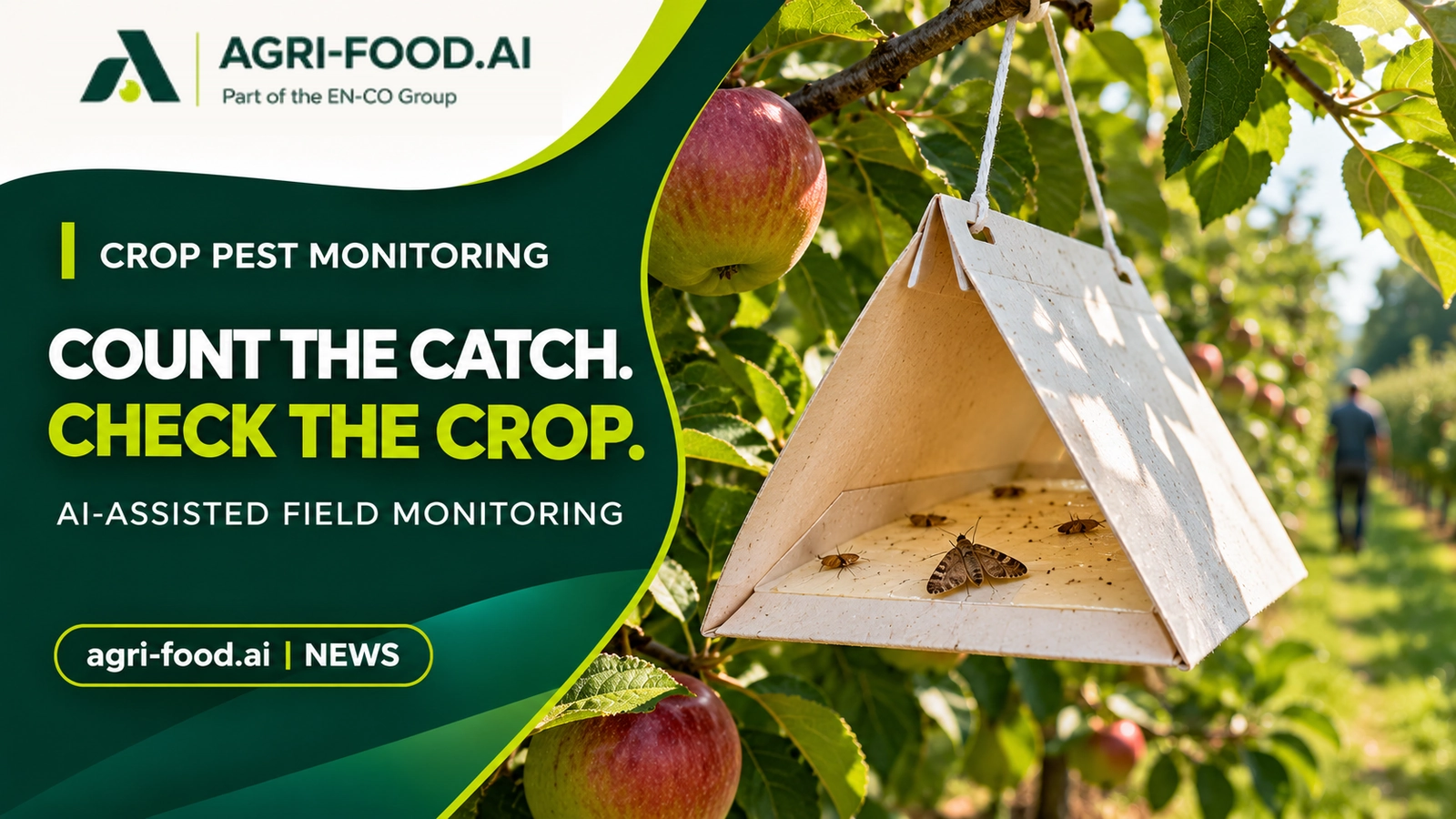
An insect trap provides observations that field teams can review alongside crop inspections.How crop pest monitoring supports IPM
Integrated pest management (IPM) combines prevention, regular observation and carefully chosen control measures. A single insect sighting rarely provides enough information. Crop species, growth stage, pest identity and locally appropriate action thresholds all influence the response. The US Environmental Protection Agency’s IPM guidance explains why teams should monitor before choosing a control method.
In crop pest monitoring, a trap image shows which insects entered the trap at a particular place and time. Repeated observations can reveal changes in captures. However, the lure, trap location, weather and insect behaviour shape that sample. Farm teams cannot assume that the number caught equals the population on the crop or automatically calls for spraying. University of California IPM guidance recommends inspecting plants alongside trap checks.
What can cameras, phones and drones detect?
Camera-equipped traps support crop pest monitoring by photographing insects at planned intervals. Image-analysis software can count visible catches or classify insects among the species its developers trained it to recognise. A scientific review of camera traps describes their potential to reduce routine visits and the limits of automated identification, power and connectivity.
A phone photograph can help a worker document an insect or damaged leaf during a crop walk. An AI result may guide further examination, but an agronomist still needs to assess uncertain cases. Drones cover a larger area and can reveal unusual canopy colours or vegetation patterns. Water stress, nutrient problems, disease and insect damage can produce similar signs. Teams need field observations to determine the cause.
Authorities first reported Xylella fastidiosa in the EU in 2013 after detecting it in Puglia, Italy. Certain sap-feeding insects can transmit this bacterium. The European Food Safety Authority explains the surveillance and plant-health response. A photograph of discoloured leaves alone cannot confirm the infection.
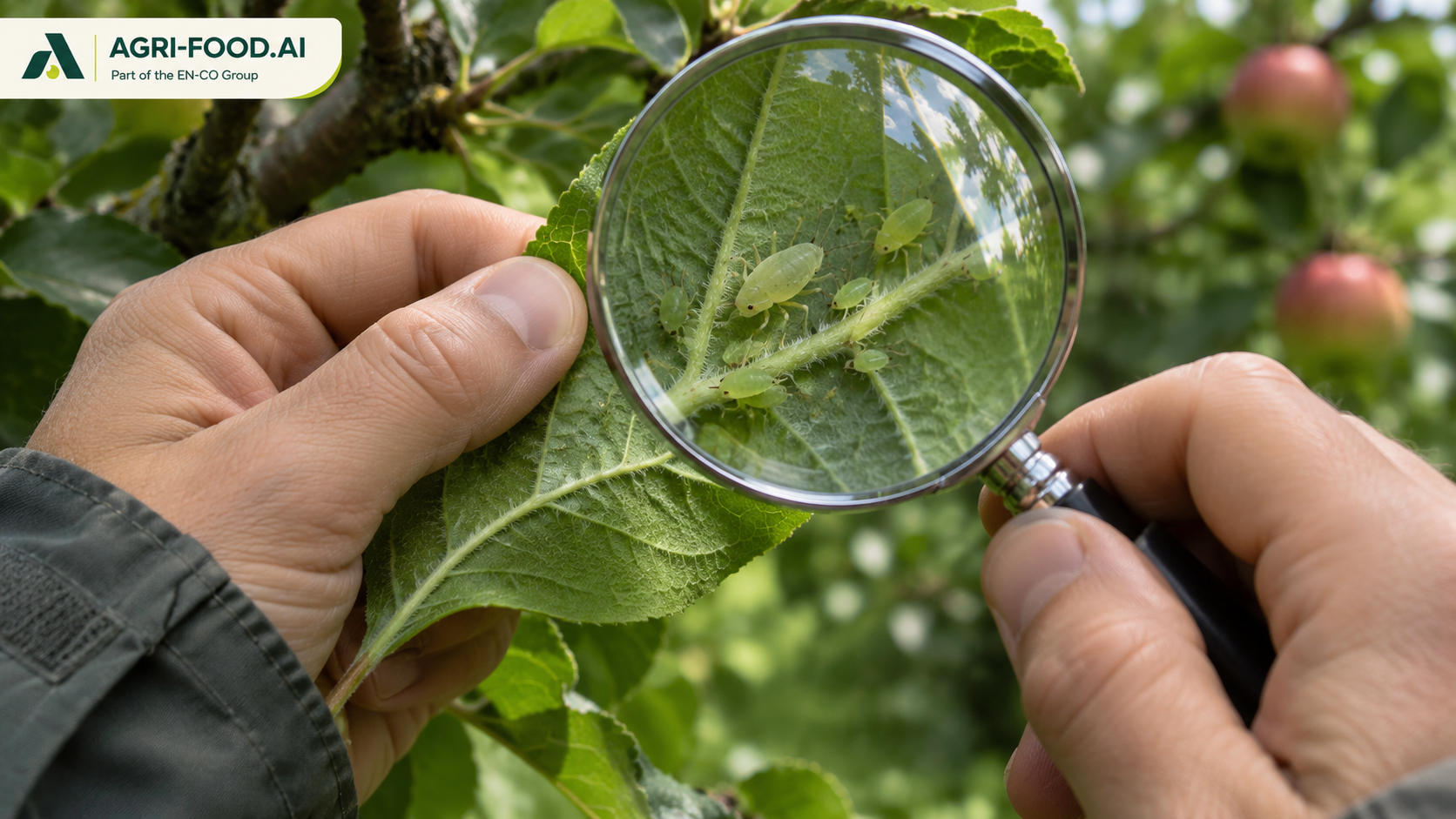
Field inspection helps agronomists verify uncertain pest identifications and assess crop conditions.Where crop pest monitoring can go wrong
Small insects overlap on adhesive traps, lose identifying features or hide behind other catches. Dirt, moisture, shadows and glare obscure the image. A model may perform well with one crop or trap design and make mistakes under different conditions. Beneficial insects can also enter traps. A wrong identification can distort the farm’s assessment of pest pressure.
Reliable crop pest monitoring lets staff check uncertain classifications and compare automatic counts against manual observations. It preserves the original photograph, date, location and review decision. Reports should distinguish trap catches from estimates of pest pressure across a field. Agronomists must use species-specific thresholds and crop inspections before recommending action.
Power, mobile coverage and maintenance also matter. Remote stations may store photographs locally and send updates only when a connection becomes available. Staff must clean lenses, service batteries and verify whether the monitoring schedule works in their conditions.
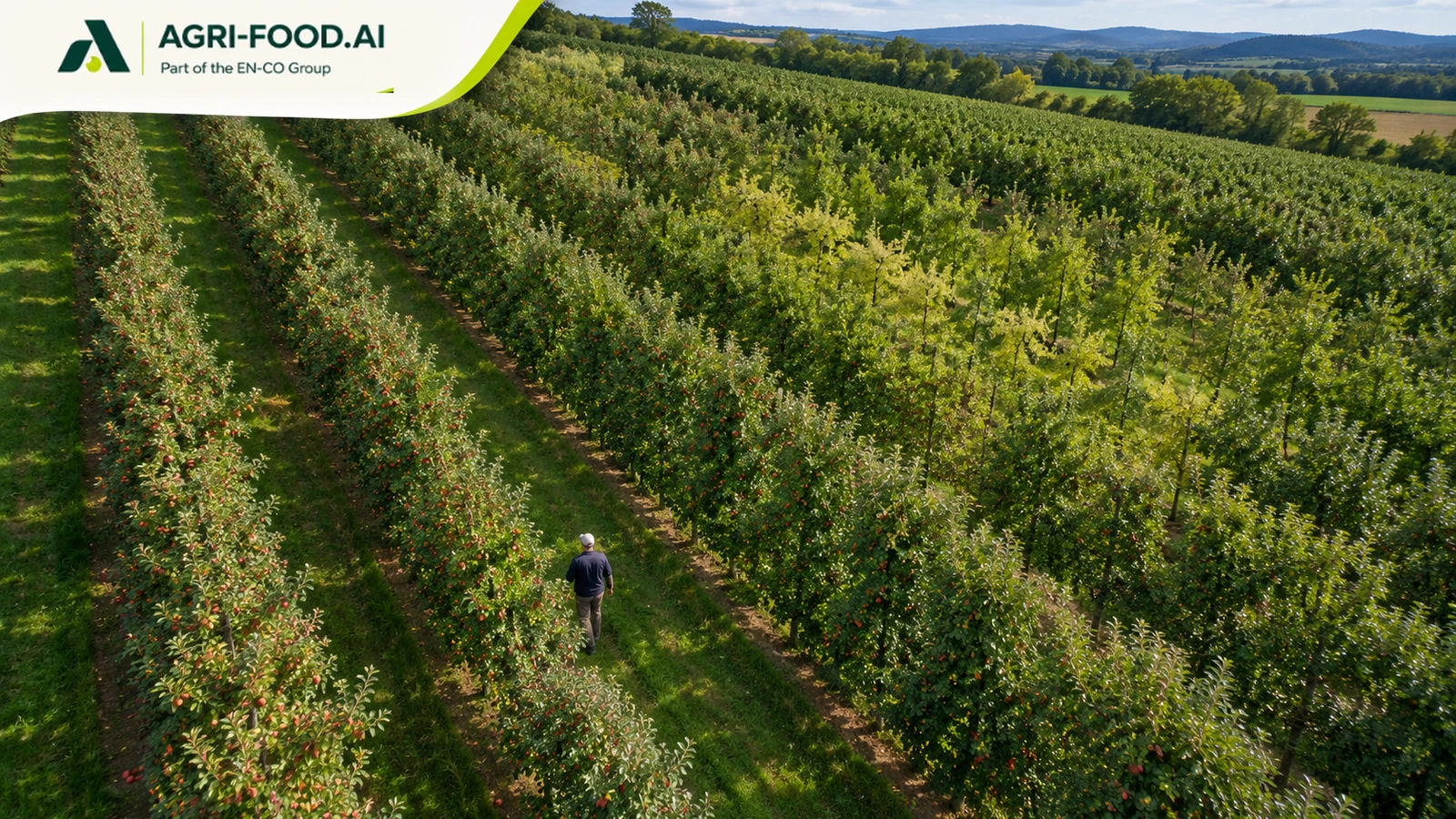
Aerial imagery can highlight areas for further inspection, but field observations are needed to establish the cause.How should farms test AI monitoring in practice?
Start with one crop, one target pest and a clear decision the observations should support. Choose representative monitoring locations. Compare image-based counts with manual checks across changing weather, light and catch levels. Record false detections, missed insects, maintenance needs and staff review time. A pilot should measure performance in the real field rather than rely on unrelated benchmark results.
For crop pest monitoring, the next step is to agree with a qualified agronomist how trap data, field scouting and action thresholds fit together. An effective system helps the team find relevant evidence and decide what needs closer inspection. It cannot independently establish crop disease or guarantee lower pesticide use.
AGRI-FOOD.AI develops agricultural machine-vision applications, including animal counting and visual assessment of coffee cherry ripeness. These projects demonstrate imaging expertise, while a crop-pest application would require separate technical scoping and field validation. Read more about the company’s machine vision work.
Could camera images make your crop checks more useful?
Discuss Your Monitoring Needs →
2024-09-06


 Our website uses cookies