
 2024-10-14
 PODCAST
 share
A room of lettuce can look ready for business long before the first order leaves it. Who will buy each harvest, and what will it cost to grow? Vertical farming produces crops in stacked layers, often inside buildings with artificial light and climate control.
Before choosing racks or software, choose a crop, a buyer and a way to measure a full crop cycle. Those decisions give the technology a job to do.
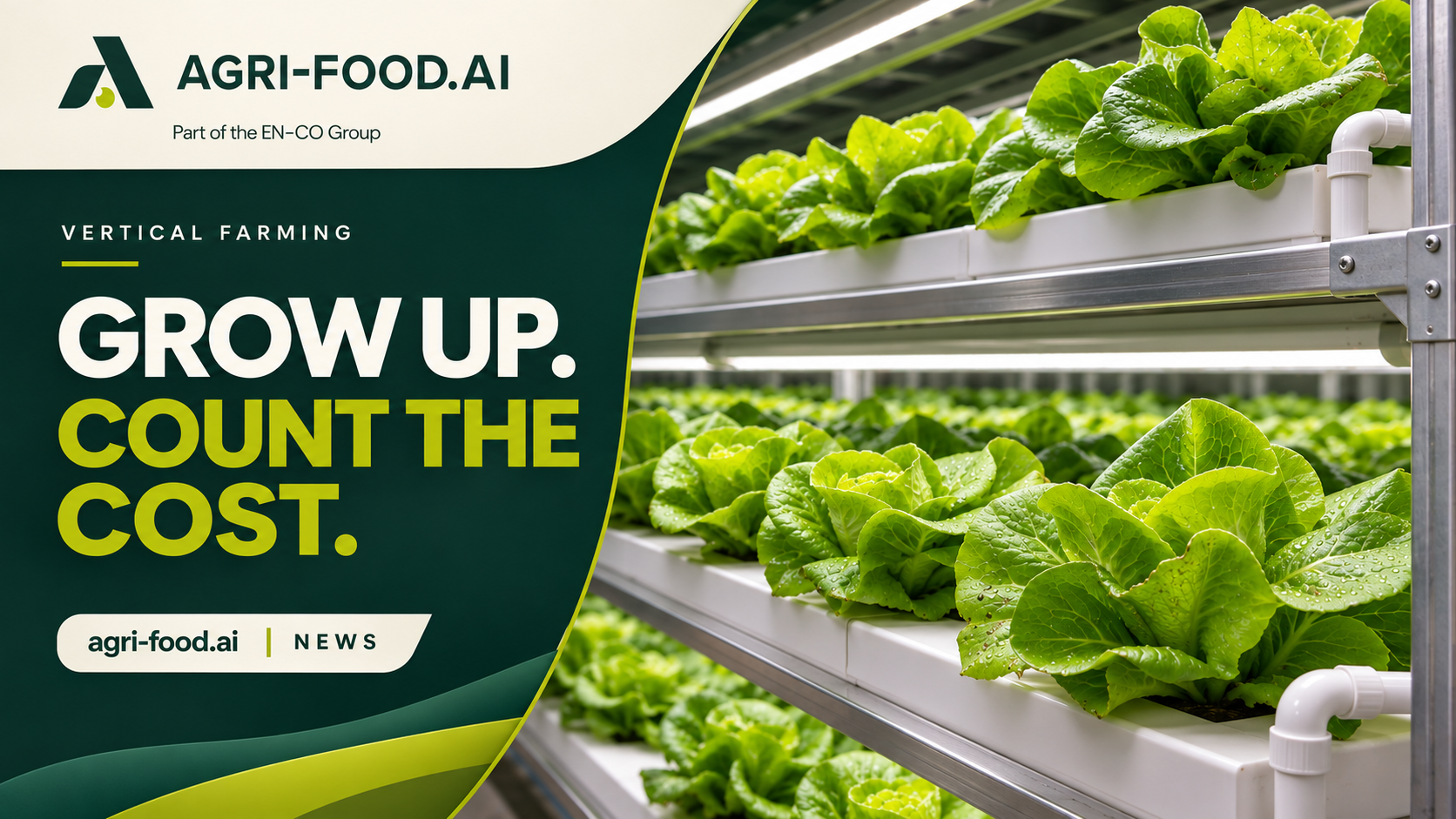
What vertical farming can control
Vertical farming sits within the wider field of controlled environment agriculture (CEA). Growers manage conditions around the crop, including light, temperature, humidity and the root environment. CEA also includes greenhouses that use natural daylight.
The building alone says little about the harvest. Crop height, growth time, access for workers and the buyer’s specification all affect the layout. For leafy greens, a useful starting question is how much saleable produce each growing cycle can deliver.
Choose the growing method around the roots
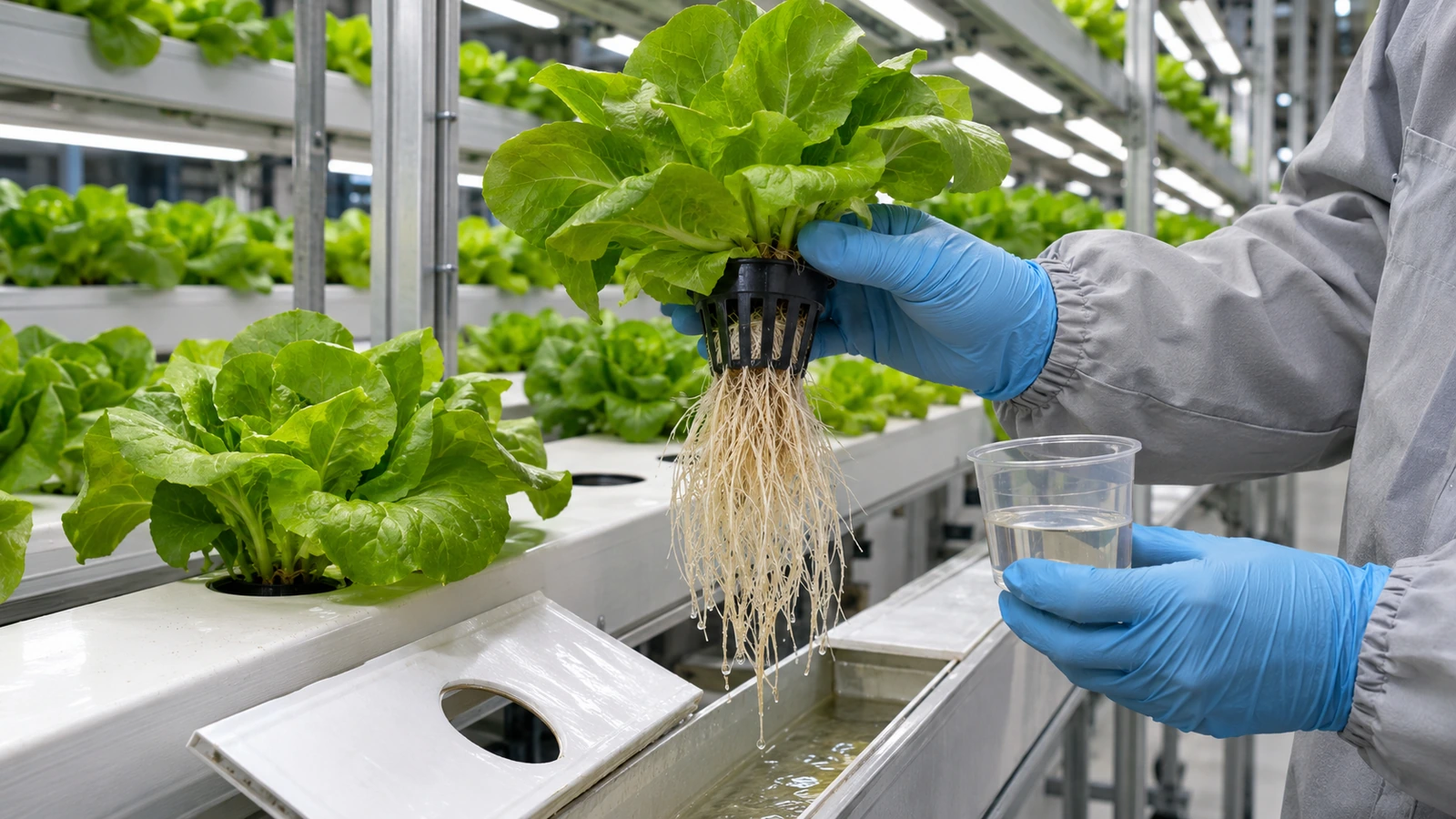
Soilless growing methods supply roots in different ways. The University of Missouri’s hydroponic farming guide explains how water, nutrients and environmental controls work together.
- Hydroponics supplies mineral nutrients in water, with or without a supporting growing medium.
- Aeroponics sprays exposed roots with a water-based nutrient mist. It still needs water.
- Aquaponics links fish culture with plant production and biological filtration. The grower must manage the needs of both fish and plants.
Whichever method you choose for vertical farming, plan access for cleaning, water checks and equipment maintenance. Record nutrient solution pH and electrical conductivity (EC). EC indicates dissolved ions, so a reading alone cannot confirm the concentration of every nutrient.
Count the energy behind each harvest
For vertical farming, lighting, cooling and dehumidification belong in the same production budget. Miserocchi and Franco’s 2025 energy review reports around 10 to 18 kWh per kilogram of lettuce across the studies it analysed. That range describes the reviewed systems. Your crop, equipment and operating conditions need their own measurement.
Environmental comparisons need the same care. A 2025 lettuce life cycle assessment by Banboukian and colleagues compared open fields, low-energy greenhouses and fully controlled hydroponics. In that US-based comparison, electricity drove a higher climate impact for controlled hydroponics, while several other impacts were lower. The electricity supply and study boundaries matter when applying the finding elsewhere.
For a commercial check, include rent, labour, seed, nutrients, packaging, maintenance and finance alongside energy. Then compare the cost per saleable kilogram with the price your buyer will actually pay. Rejects and empty growing space affect that calculation.
Test vertical farming with a measured crop cycle
Start with a defined crop and harvest specification. Agree which electricity meters, working hours and process steps the trial covers. Keep that boundary consistent when comparing cycles.
- Log sowing and harvest dates, planted area, harvested weight and rejected produce. Exclude the crate’s weight when weighing the crop.
- Match energy use and labour to that crop cycle. Record any shared loads and how you allocate them.
- Check sensor readings against reference measurements and inspect plants when an alert appears.
Reliable sensor data collection helps connect climate records with crop observations. Artificial intelligence (AI) can flag unusual patterns if it has been validated for the crop and growing conditions. Our plant stress detection guide explains why an alert still needs investigation.
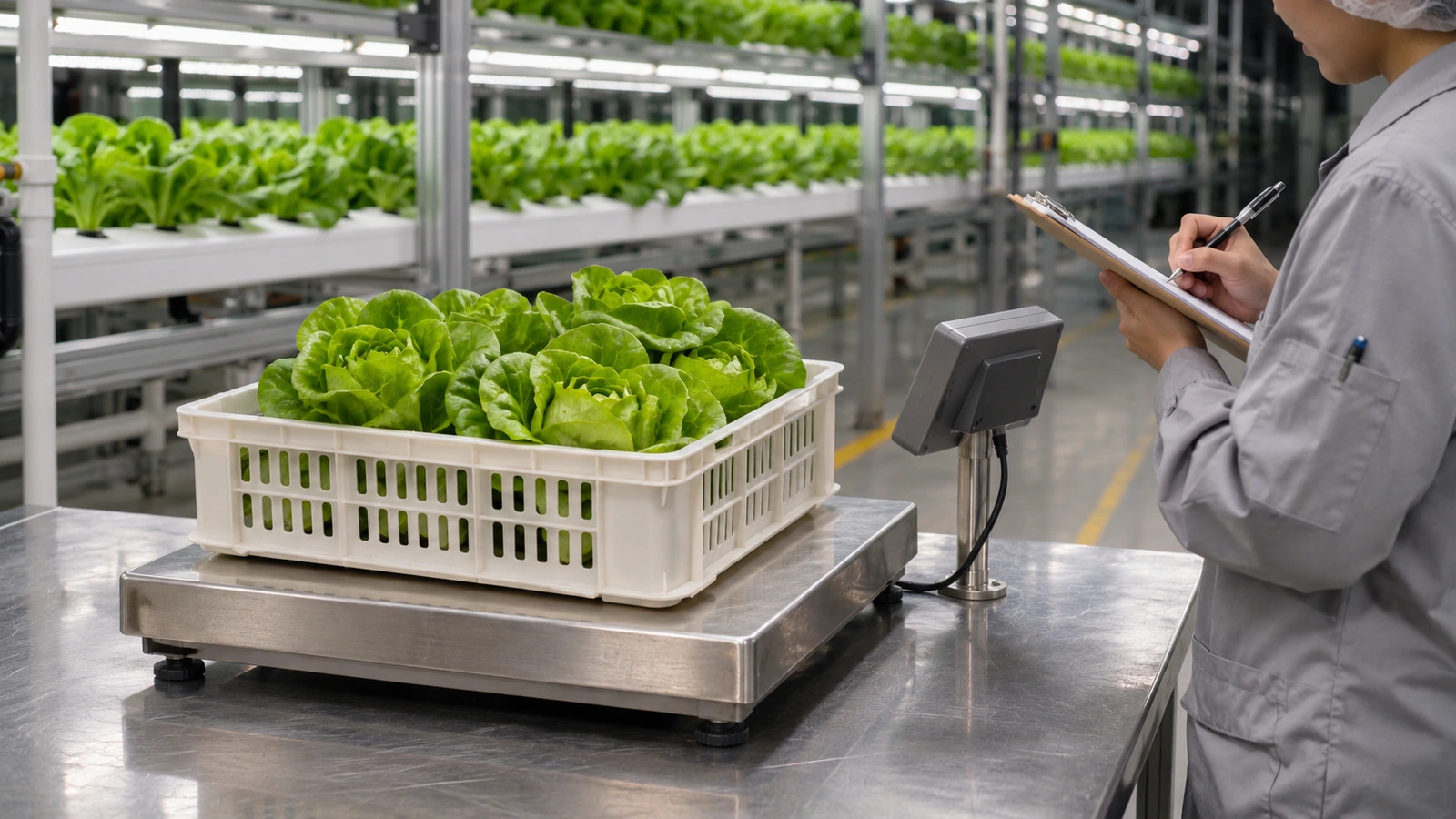
Before expanding vertical farming, bring the harvest records back to the original question. Can this crop meet the buyer’s requirements at a cost the business can sustain?
Share your crop, site conditions and available data with AGRI-FOOD.AI to discuss the monitoring and data integration requirements.
Discuss your growing data
2024-10-14


 Our website uses cookies