
 2024-10-03
 PODCAST
 share
At the end of a harvest day, color sorting may seem like the answer to mixed coffee cherries. Yet the receiving team first needs to decide whether to inspect a sample or physically separate the crop. Warm afternoon light can make green, ripe and overripe cherries appear more alike than they are.
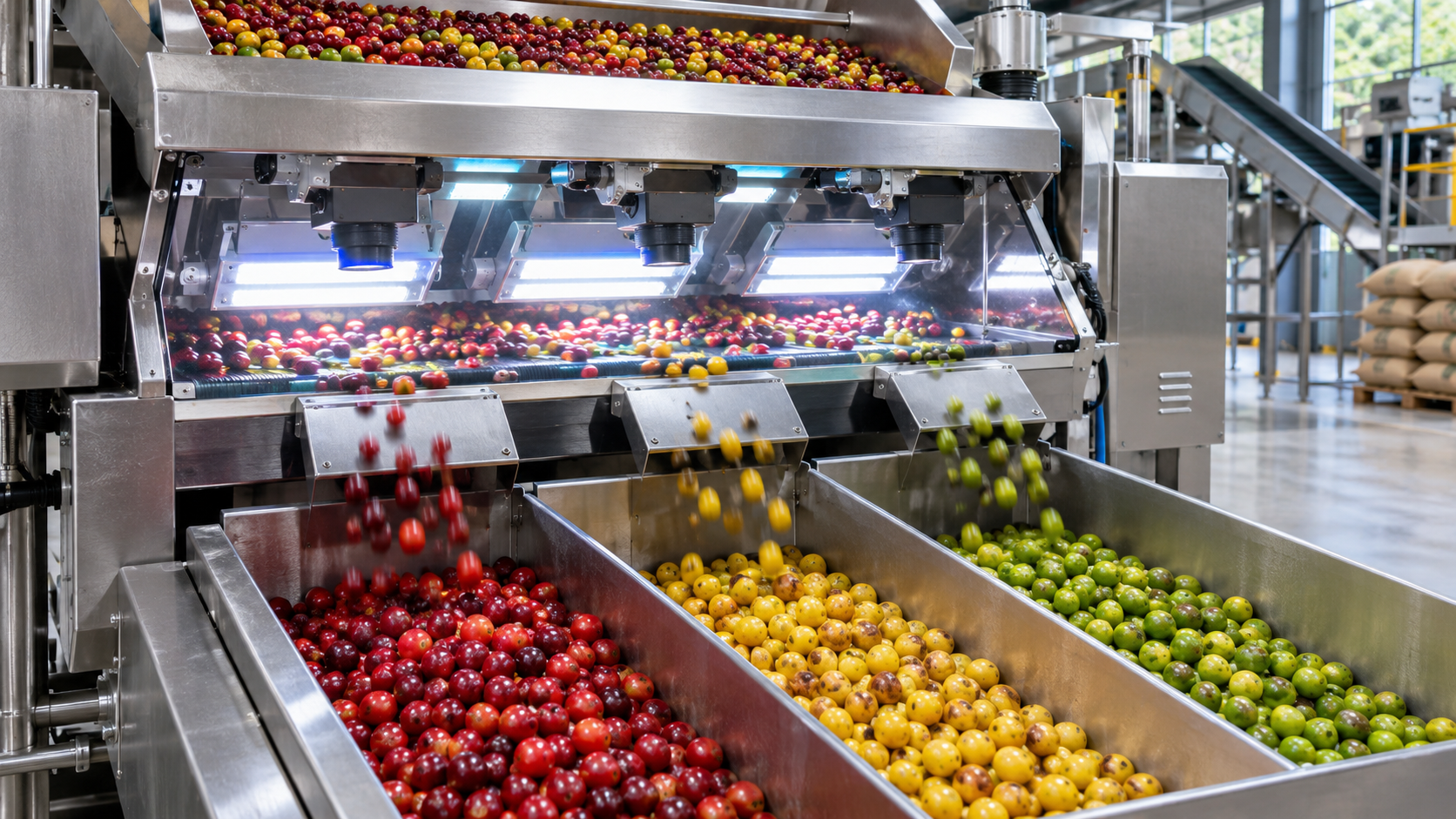
Industrial color sorting physically separates selected items on a line. Mobile coffee cherry grading assesses the ripeness of a photographed sample. Both use visual information, but they serve different stages of harvest quality control.
How industrial color sorting works
An optical sorter moves material through a controlled inspection area. Cameras and lighting detect differences, while an ejection system removes selected items from the stream. Equipment varies by crop and processing stage. Bühler’s coffee sorting overview describes the removal of discolored beans and unwanted materials.
Before selecting an industrial color sorting line, define the defect to remove, the required throughput, acceptable product loss and available space. Equipment used for dry coffee beans may differ from machinery for fresh cherries. Ask suppliers to test the actual material and explain the limits of detection.
What mobile coffee cherry grading can check
At a farm or receiving station, the immediate task may be to assess a delivered sample before further processing. Maduro is an AGRI-FOOD.AI mobile application developed with coffee specialists in the Bányai Coffee project. It uses smartphone photos to classify coffee cherries into five ripeness categories.
According to the Maduro product page, the app can work offline and lets users save, organize and export results. This can support a repeatable record for a photographed sample. The application does not physically separate fruit, and the result should never be treated as a verified count of every cherry in an unsampled lot.
Consider a delivery with mostly ripe cherries and a smaller share of unripe fruit. A sample photograph can help a buyer and picker discuss the observed mix. If the processing plant needs to remove specific fruit, that still calls for a physical color sorting step. The receiving decision should determine which tool is useful.
What color sorting can and cannot reveal
Surface color offers a practical indication of maturity, although the usual ripe color depends on the coffee variety. It cannot directly measure the chemistry inside the bean or predict the cup score. In a 2024 Arabica study, changes in soluble sugars in the fruit coat did not mirror changes in the bean endosperm.
Physical cleaning also has limits. The International Trade Centre Coffee Guide explains that water separation produces floaters and sinkers, with different maturity stages possible in each group. A documented photo assessment can add a useful check alongside physical separation and manual inspection.
How to photograph and verify a harvest sample
First identify the harvested lot, date, variety and sampling point. Then keep the same basic procedure when you compare deliveries. The following steps are practical checks, not a claim of a universally validated Maduro sampling protocol.
- Take cherries from several positions in the lot rather than only its surface. Note where the sample came from.
- Spread the sample in one visible layer on a matte surface. Reduce overlap between cherries.
- Use even, diffused light and check for shadows, glare and wet fruit before taking the photograph.
- When introducing the workflow, compare the app output with a manual assessment of the same sample.
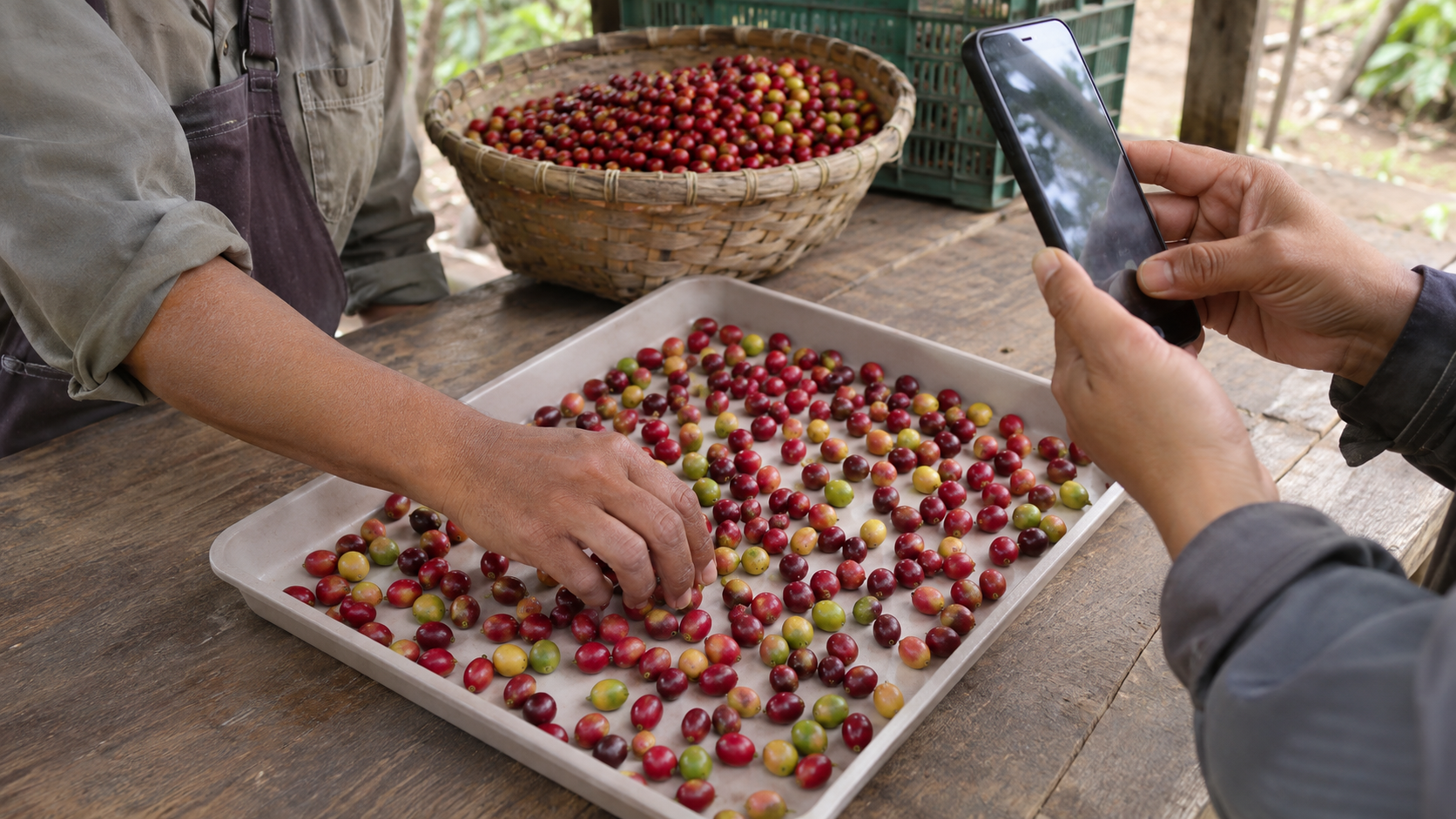
Keep the result with the sample details, and review differences before using it for a purchasing or processing decision. If the record will inform acceptance or pricing, growers and buyers should agree on the sampling and reference procedure first.
Record lighting conditions and the manual reference alongside each saved result. A change in the reported category mix can prompt another check, but without comparable sampling it cannot establish that an entire delivery has improved. Keep this limit visible when several people review the records.
Explore the Maduro workflow and decide what you need to verify for your own crop and receiving process.

Could a clearer ripeness record improve your next harvest check?
2024-10-03


 Our website uses cookies